
When livestock enters cultivated land without authorisation or flooding affects crops, the visible damage is only part of the loss. A professional agronomic assessment turns on-site conditions, crop data and future production losses into clear, traceable evidence.
These three anonymised assignments in northern Sardinia show how an independent technical report can quantify damage to permanent crops, forage fields and vegetable crops. Client identities and exact locations have been withheld.
Why an agronomic damage assessment matters
A reliable assessment does more than document what can be seen in photographs. It links the event to the affected crops, measures the area and severity of damage, estimates restoration costs and accounts for production that may be lost over several years. The result is a reasoned figure supported by an inspection, photographs, crop data and recognised agricultural references.
Case 1 — Damage to an olive orchard and mixed fruit trees
Following unauthorised cattle grazing, an on-site inspection documented damage to 38 trees: 31 olive trees, 6 fig trees and 1 pear tree. Each plant was assessed individually. Some trees had been broken beyond recovery, while others had suffered partial loss of the canopy.
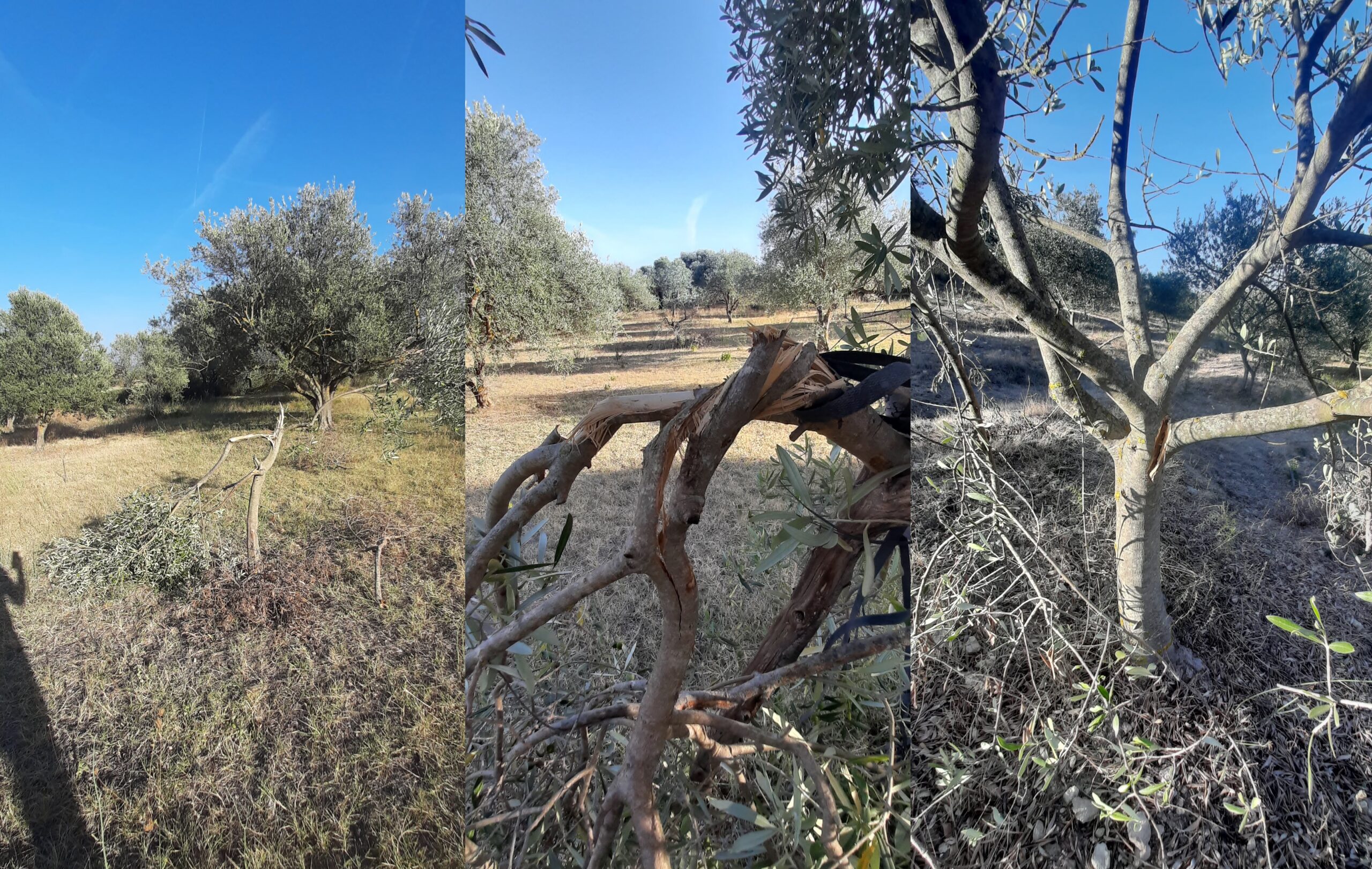
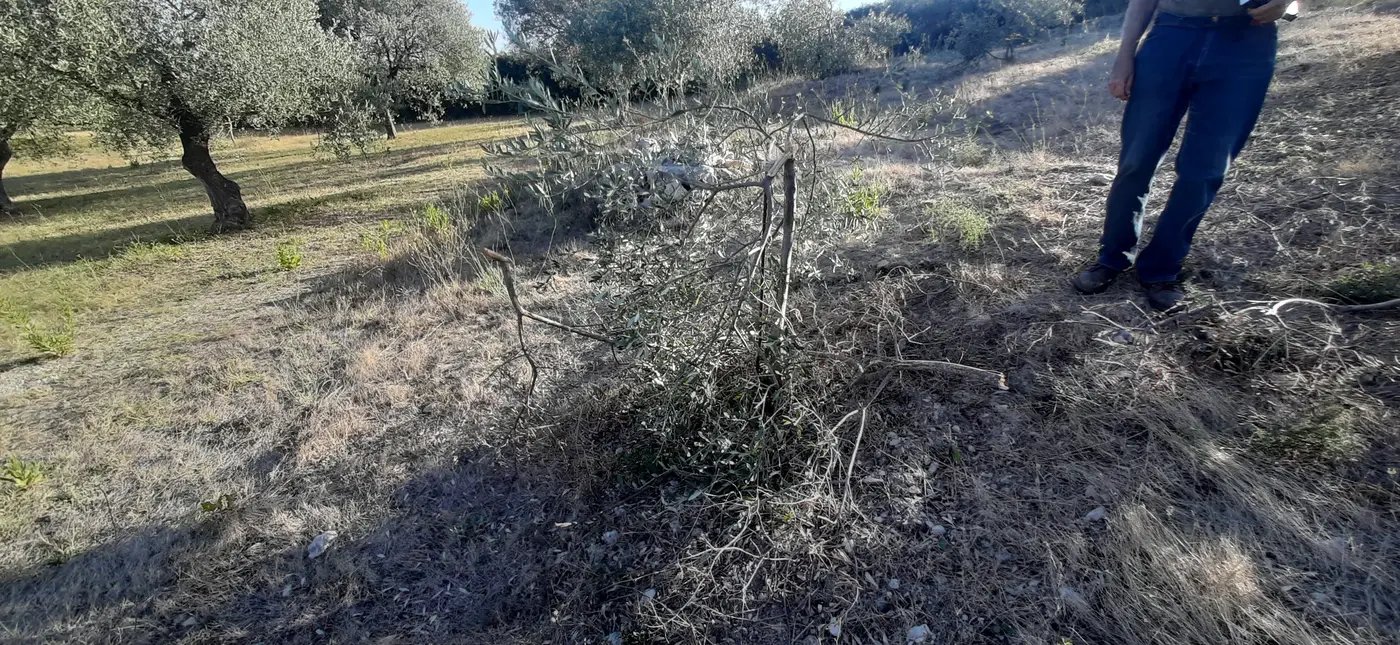
The estimate included removal and disposal of irrecoverable plants, replacement costs, aftercare and the value of production lost while new trees return to maturity. Using the applicable regional agricultural price references, the total damage was assessed at €4,369.13.
Case 2 — Loss of forage after unauthorised cattle grazing
In a separate assignment, cattle had entered forage fields before harvest. Three areas were evaluated independently according to crop type, surface area, potential yield, market value and the percentage of biomass visibly lost.
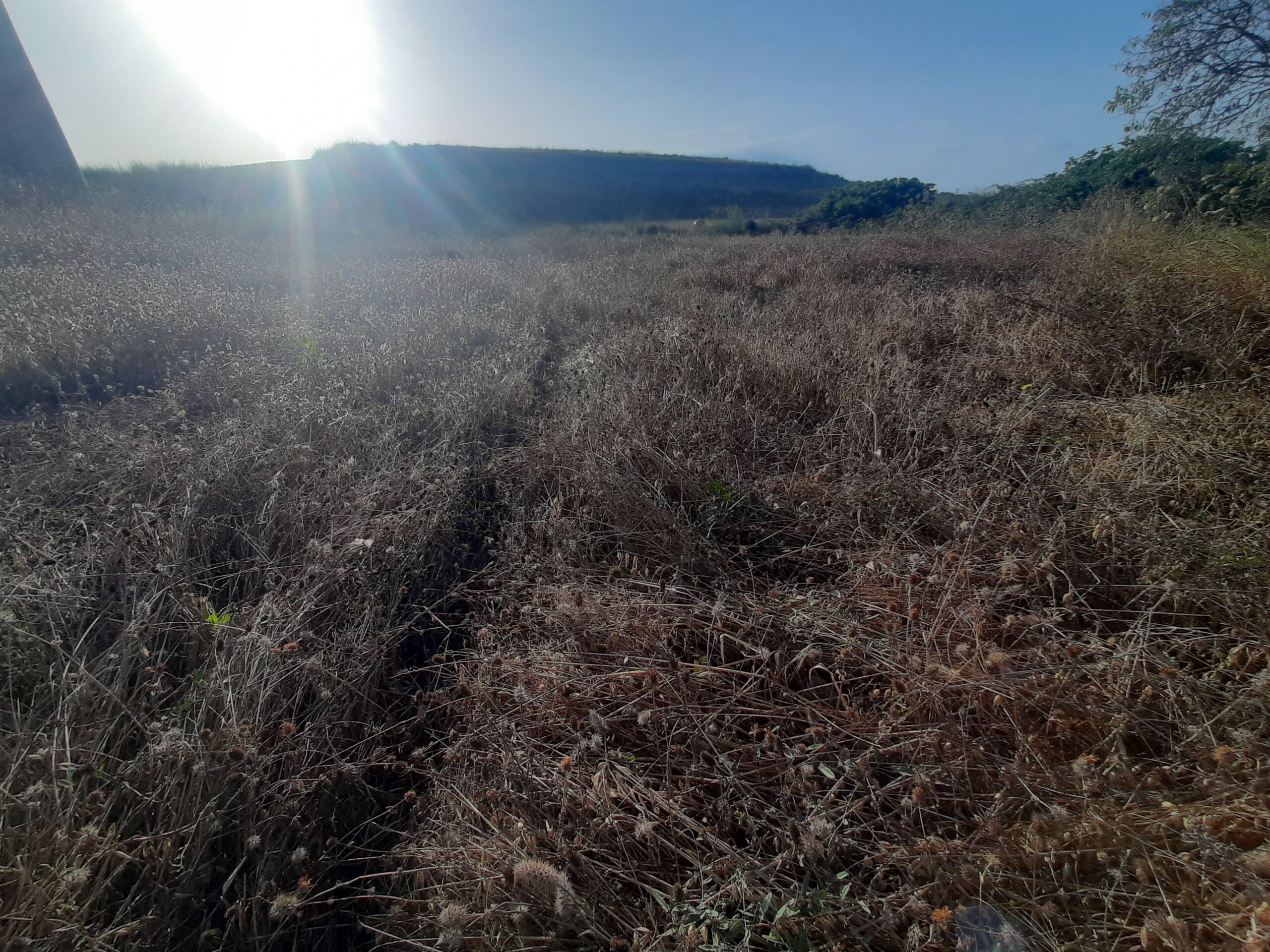
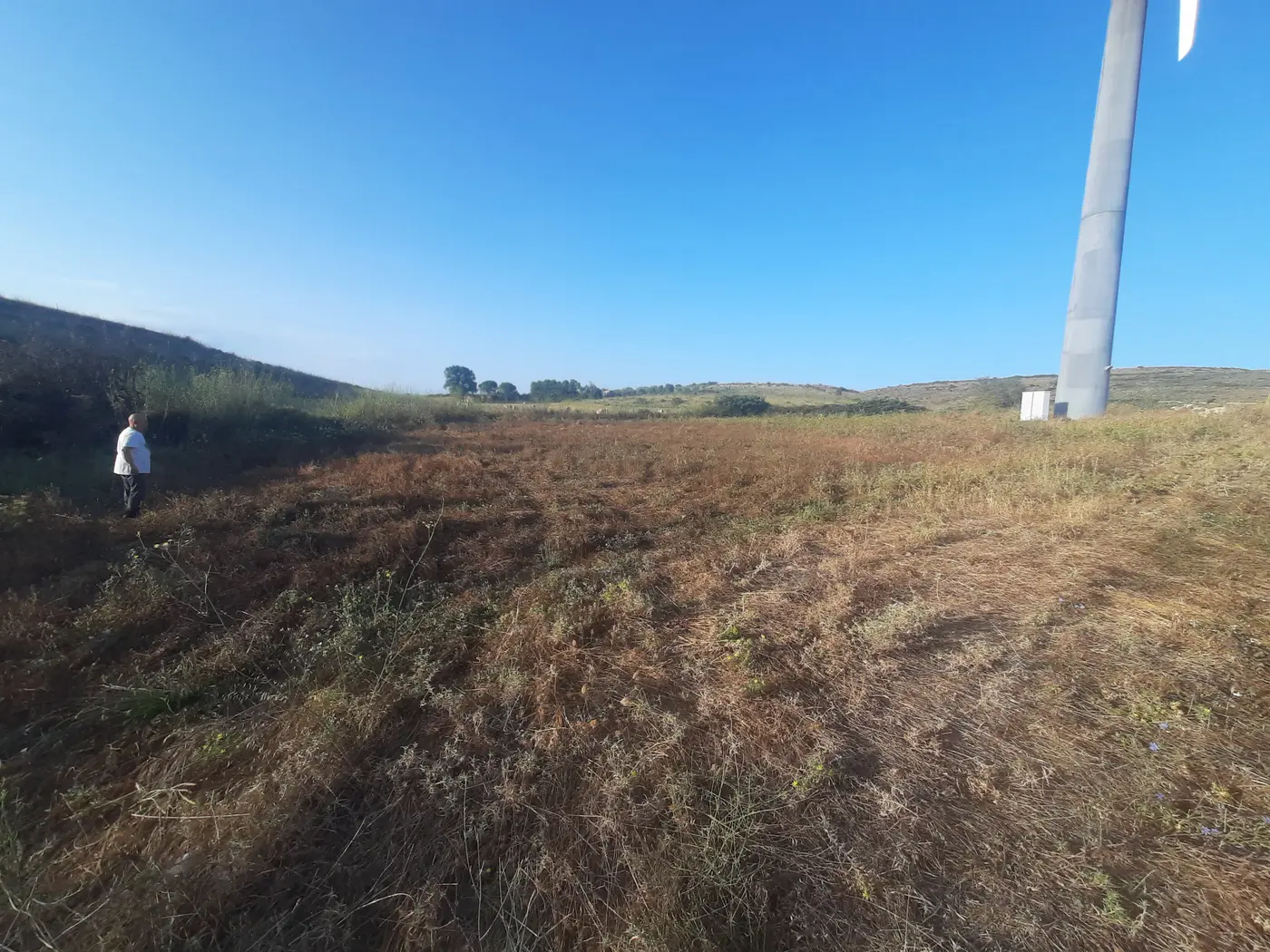
The inspected land included approximately 8,400 m² of mixed forage and oats, 11,500 m² of clover at the second-cut stage, and a further area with an estimated 50% loss of usable biomass. The resulting forage damage was assessed at €2,644.85, excluding the separate cost of restoring fencing.
Case 3 — Crop damage following a water-main break
A break in a public water main in the Sassari area caused flooding, waterlogging, soil disturbance and damage to the irrigation system of a vegetable farm. The affected area covered approximately 3,780 m² and included green beans, peppers, tomatoes and courgettes.
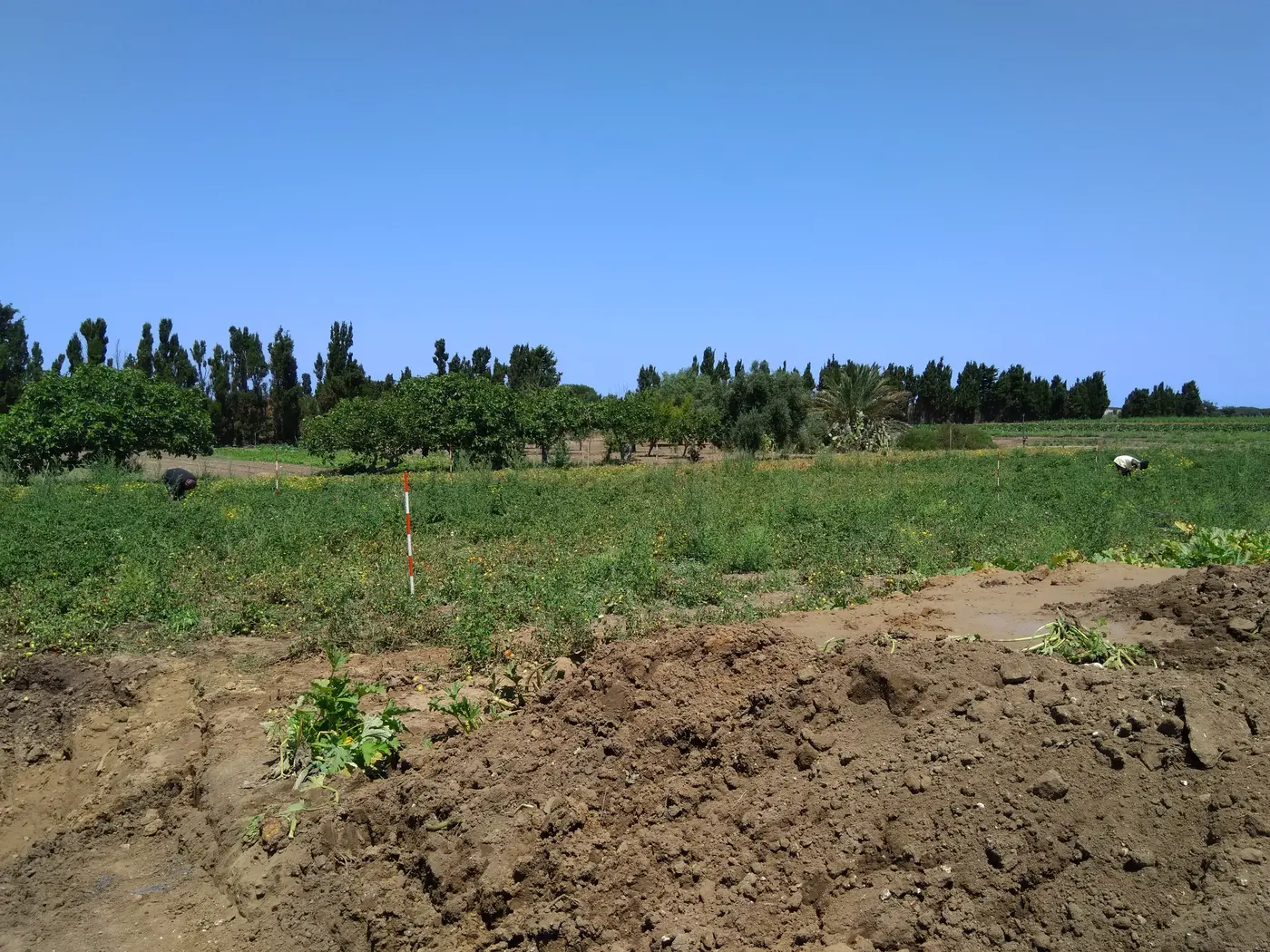
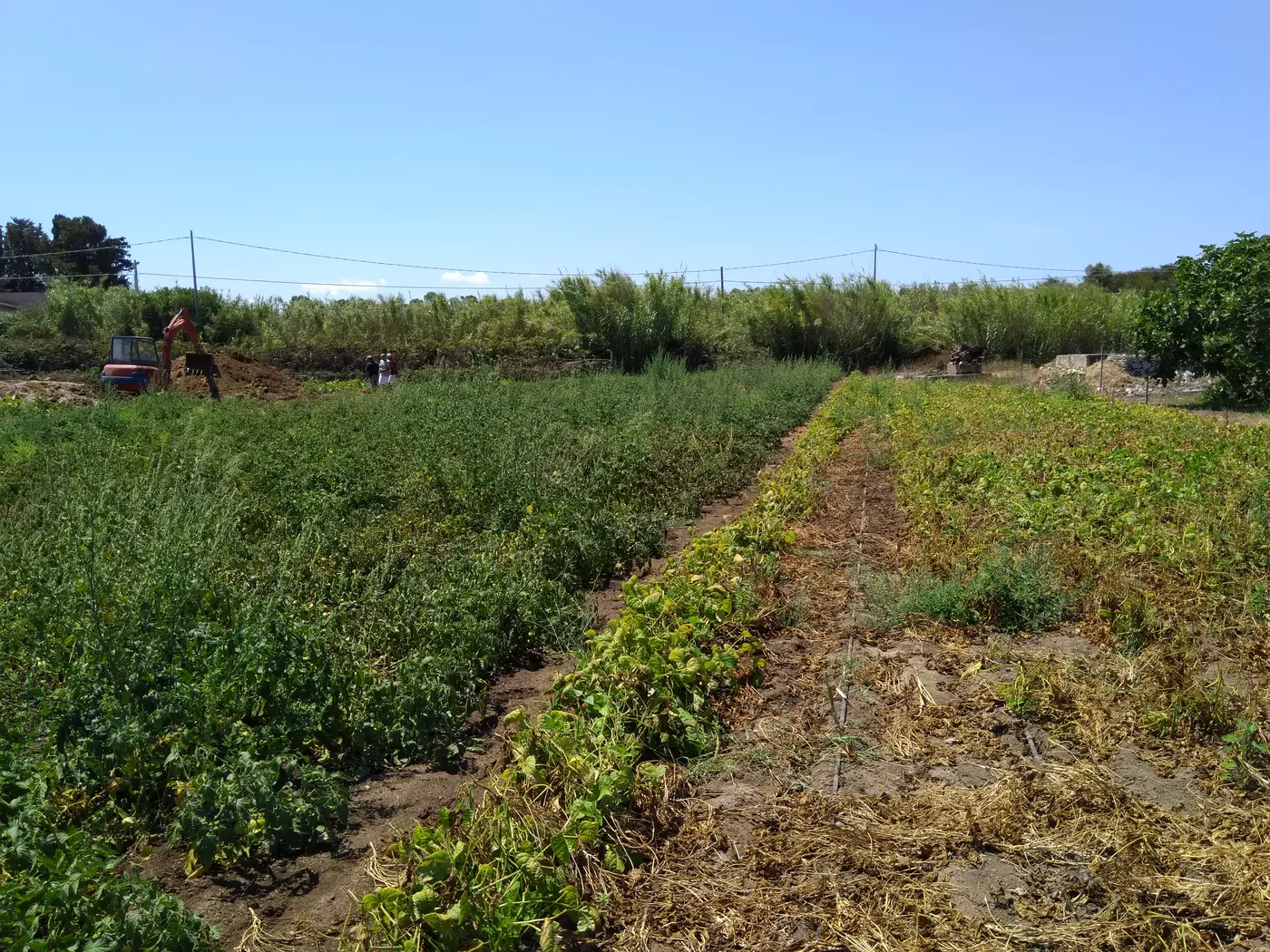
Lost production and its value were estimated separately for each crop, deducting costs that were no longer incurred. The assessment also quantified the restoration of approximately 5,000 metres of drip irrigation laterals affected by sediment. The total damage was assessed at €22,044.81.
The assessment method
- prompt on-site inspection and photographic record;
- verification of crops, affected surfaces and field conditions;
- classification of damage severity;
- reference yields, market values and agricultural price lists;
- direct restoration and replacement costs;
- future production losses where perennial crops are involved;
- a transparent written report showing how the final figure was calculated.
Why this matters for international landowners
Owners who live abroad may not be able to inspect a rural property quickly after an incident. A local agronomist can document conditions promptly, preserve technical evidence and provide a quantified report that can support discussions with neighbours, insurers, advisers or legal professionals.
Confidentiality note: the clients and exact locations are not identified. The figures above are taken from completed professional assessments and are presented only to explain the method and scope of the work.
Need an agricultural damage assessment in Sardinia?
Send a brief description of the event, the property location and any photographs already available. I can advise on the documents and inspection needed for a clear, independent assessment.
Explore the related advice: agronomic services and professional fees, or browse all agricultural and rural property case studies.