
A vineyard investment succeeds when agronomic design, funding requirements and on-site execution are managed as one coherent project. These two anonymised cases show how vineyard restructuring in northern Sardinia can be coordinated under the dedicated Restructuring and Conversion of Vineyards (RRV) support scheme.
The project
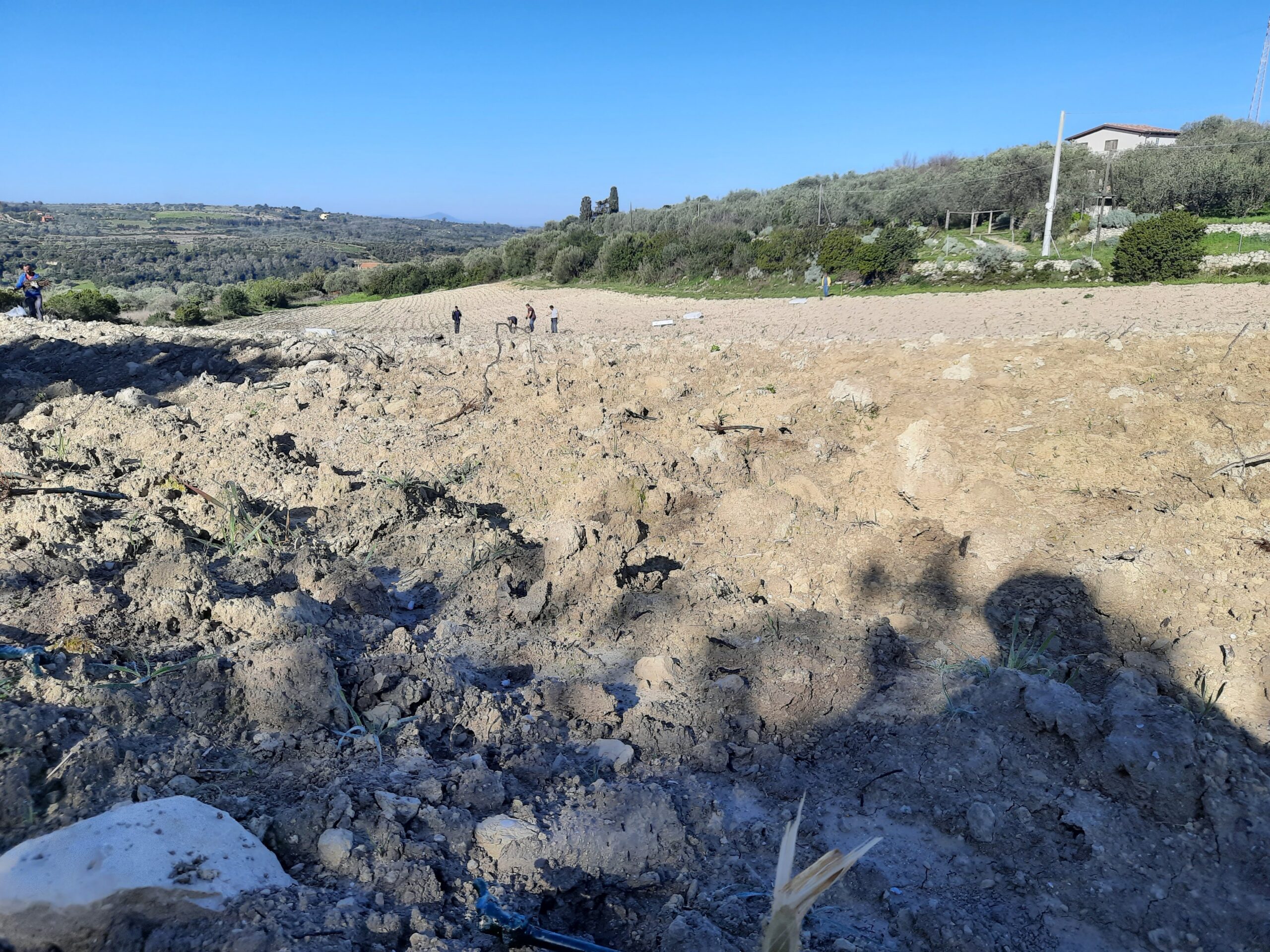
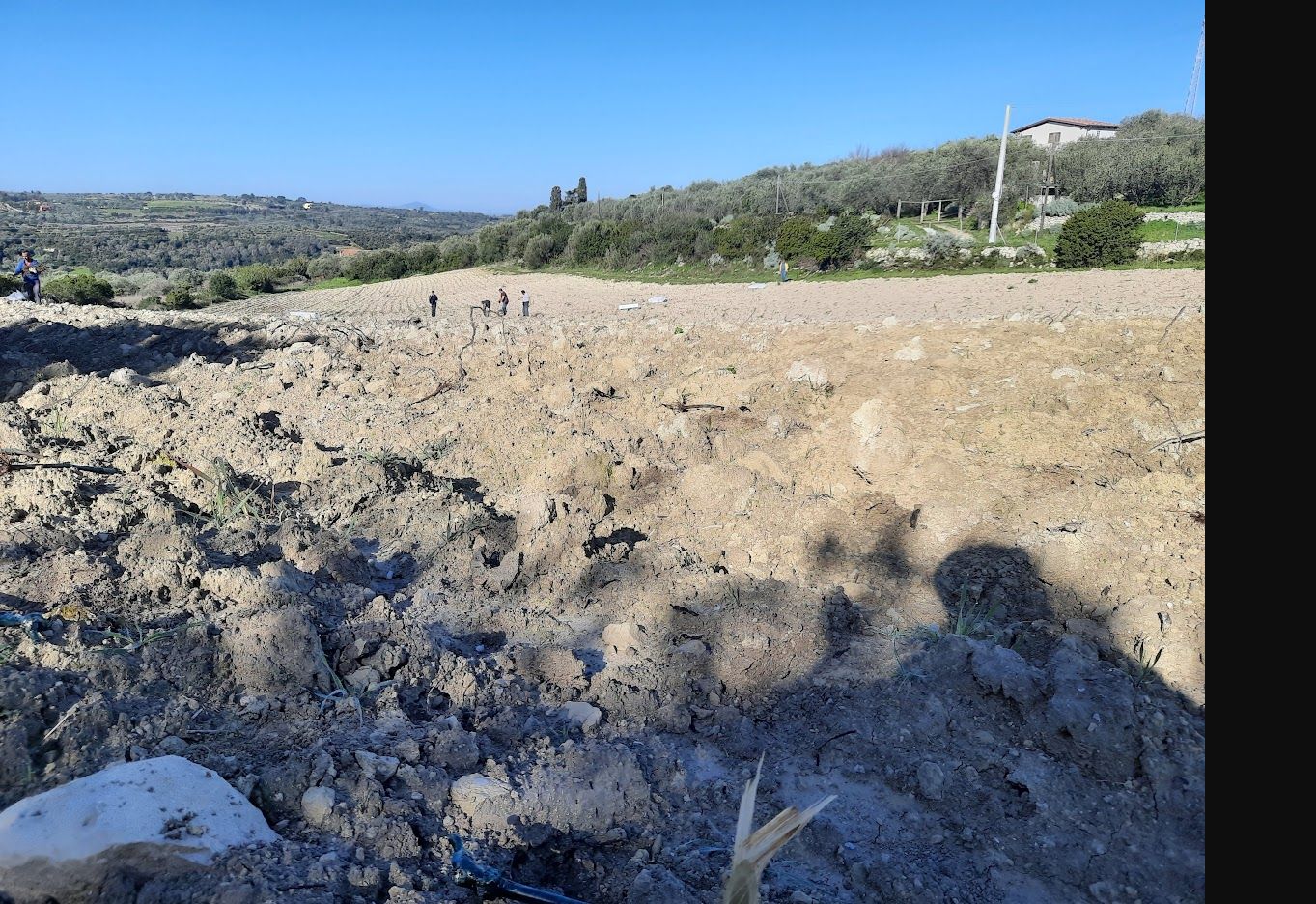
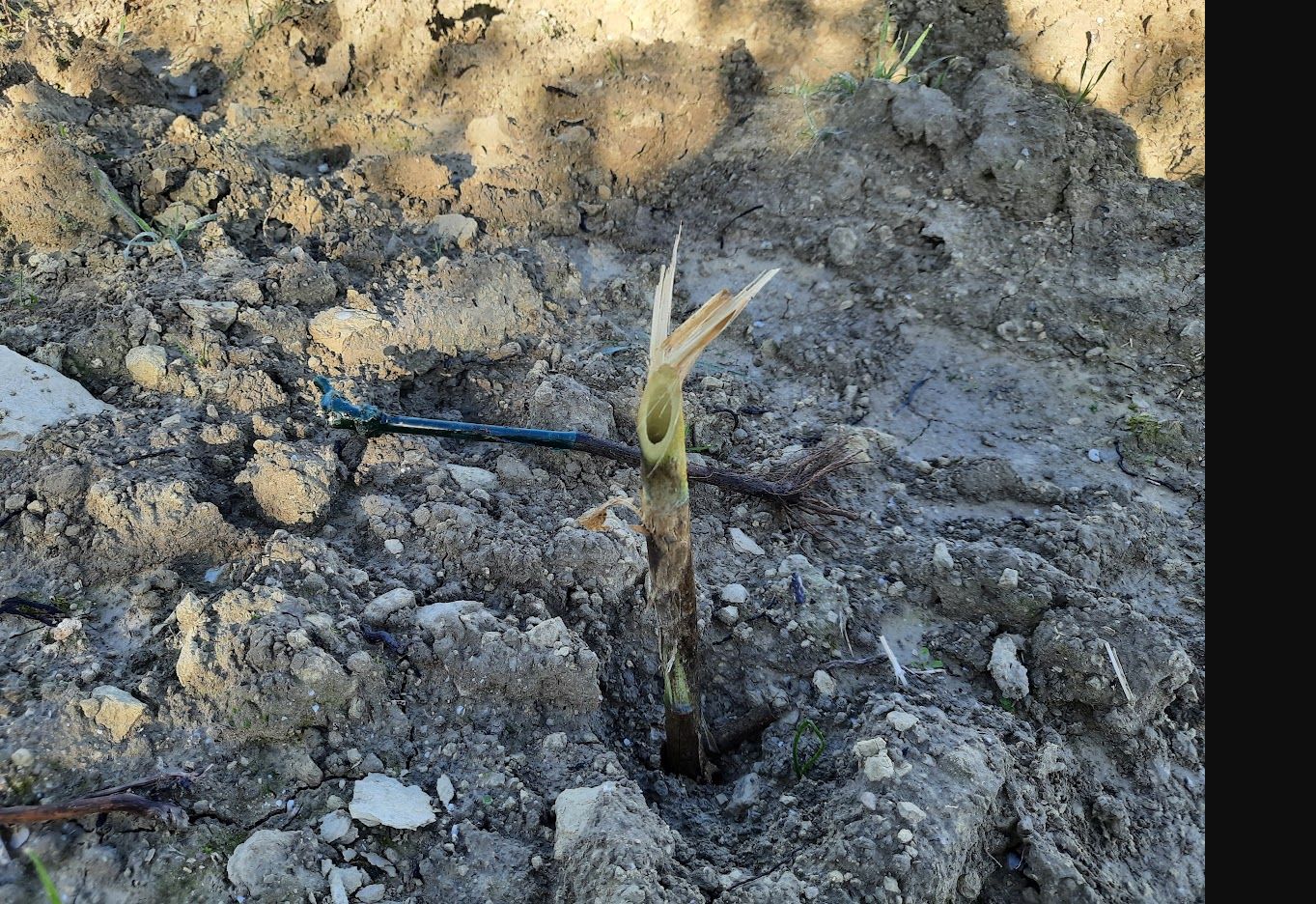
The assignment concerned approximately 11,798 m² of vineyard and about 5,984 certified rooted grapevines. The planting plan combined grape varieties suited to the holding and its production objectives, including Cannonau, Vermentino, Cagnulari and Moscato.
Technical design and implementation
The intervention included the agronomic definition of the vineyard, certified plant material, a Guyot training system and drip irrigation. The work required the technical choices, quantities and expenditure to remain consistent with both the farm’s needs and the conditions of the support measure.
Eligible investment and public support
The recognised eligible cost was €37,753.60. The approved public contribution was €22,416.20 and the project was ultimately paid. The figures are included to show the scale of the completed assignment; every funding measure has its own eligibility rules, deadlines and control procedures.
A second RRV vineyard restructuring case
A second wine-growing business was assisted through the sector-specific Restructuring and Conversion of Vineyards (RRV) scheme, a support programme normally opened through annual campaigns. The 2022/2023 application concerned the restructuring of approximately 1.52 hectares of existing vineyard, with advance-payment arrangements and the related administrative obligations.
The same business was subsequently supported with a further RRV application received in July 2024 for the 2025 campaign. This illustrates that vineyard renewal may require more than a single operation and that each campaign must be managed according to its own eligibility rules, vineyard register data, deadlines and supporting documents.
The second case is described only through verified, non-identifying project data. The existence of an application does not by itself imply final approval or payment.
What the professional work involved
- analysis of the holding and investment objectives;
- agronomic design of the vineyard and selection of varieties;
- definition of planting density, training system and irrigation;
- preparation of the technical and financial documentation;
- coordination between the planned works and funding requirements;
- support during implementation and the administrative procedure through to payment.
Why this is relevant to foreign owners
Buying agricultural land is only the first step. A vineyard project must also be technically viable, compliant with local rules and financially sustainable. For an owner living abroad, having one local agronomist coordinate the agronomic and administrative aspects reduces uncertainty and helps prevent costly inconsistencies between the project, the works and the funding file.
Confidentiality note: the client’s identity and the exact location are withheld. The technical and financial figures come from the completed project documentation.
Planning a vineyard project in Sardinia?
I can assess the land, the proposed investment and the available documentation, then define the technical steps needed before work begins.
Explore the related advice: vineyard and olive grove feasibility, or browse all agricultural and rural property case studies.